 Dr. Lisa Brinn
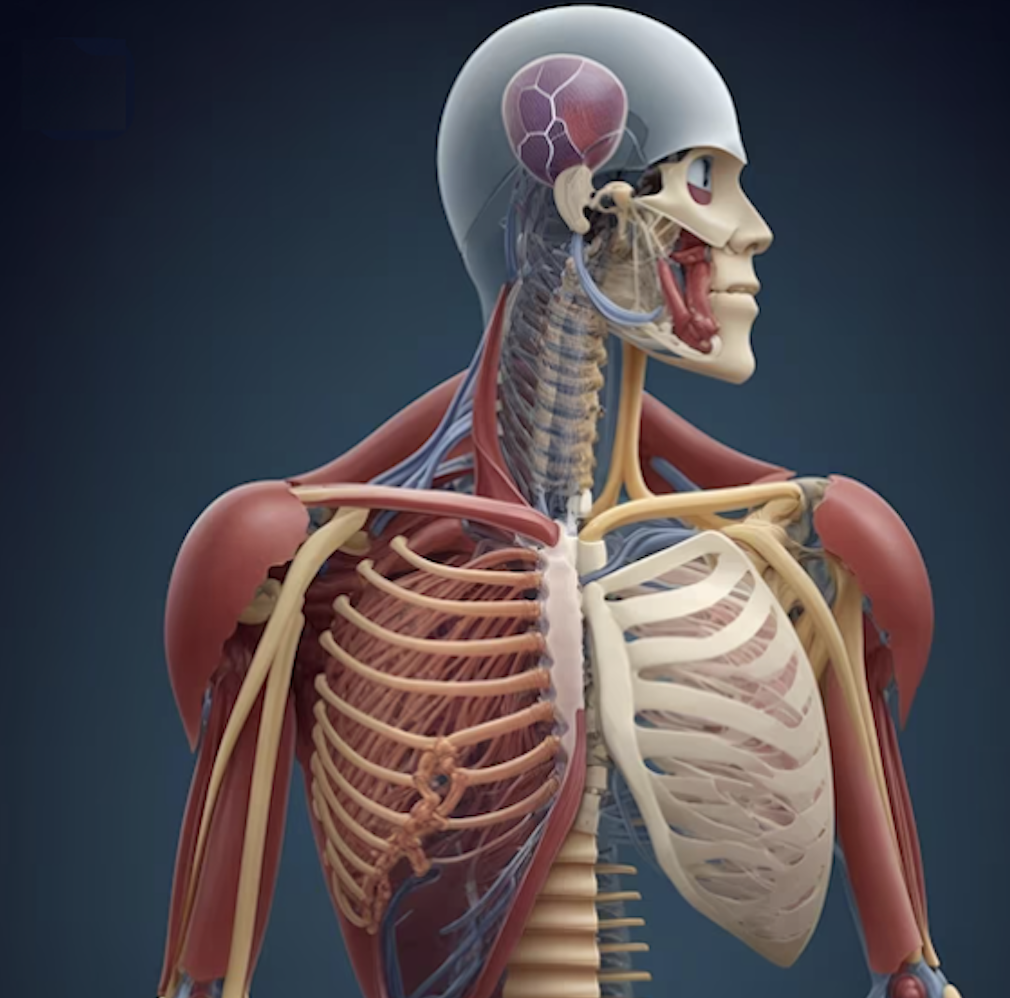
Discover the wonders of the human body in our Anatomy and Physiology II Online Lab Course. This lab will focus on the following organ systems: endocrine, cardiovascular, respiratory, lymphatic, urinary, and reproductive systems. Through a variety of digital tools, this virtual laboratory experience brings to life the intricacies of anatomy and physiology without requiring hands-on activities. Dive into detailed 3D models that allow you to explore anatomical structures from all angles, gaining a comprehensive understanding of their spatial relationships. This lab course enables you to grasp essential concepts, collaborate with peers in discussions, and interact with experienced instructors who guide you through the virtual learning environment. Whether you're pursuing a career in healthcare, research, or simply seeking a deeper understanding of the human body, this course offers a flexible and engaging pathway to knowledge.
In this module, you will investigate the fascinating world of the endocrine system. Through hormone assays and interactive activities, you will identify major endocrine glands, study hormone secretion patterns, and explore the regulatory mechanisms that govern various physiological processes. By delving into hormone imbalances, you will gain insights into the significance of hormonal homeostasis for overall health.
The blood is a window into the body's internal environment. Through blood cell microscopy and blood typing exercises, you will identify different blood cell types and explore their roles in immunity and oxygen transport. Investigating blood clotting mechanisms and cross-matching for blood transfusions will showcase the importance of blood in maintaining health and treating illnesses.
This module will offer an up-close exploration of the heart's intricate structures. Through heart anatomical identification, you will gain a comprehensive understanding of the heart's chambers, valves, and blood vessels.
In this module, you will become familiar with how to measure heart rate, blood pressure, and cardiac output in various physiological conditions. Through graphs, you will observe how the heart responds to exercise and stress, gaining valuable insights into cardiovascular adaptation and regulation.
The blood vessels form a vast network throughout the body, maintaining blood flow and supporting immune responses. Through anatomical models, you will examine the diverse blood vessels, from the pulmonary and the systemic circuits.
In this module, students will be able to identify the lymphatic system organs and tissues. They will learn to identify lymphatic vessels, lymph nodes, the spleen, and the thymus gland in addition to their functions.
In this module, you will focus on the respiratory system's anatomical structures. Through lung models, you will identify respiratory tract components and gain a visual understanding of the airway pathway. Investigations into lung volumes and capacities in the lecture component will deepen your comprehension of respiratory mechanics.
Through model imaging, you will explore the functions of the respiratory system structures.
The digestive system plays a pivotal role in nutrient breakdown and absorption. In this module, you will identify the organs involved in digestion from the oral cavity to the stomach in addition to the functions of each compartment. These exercises will allow you to investigate enzyme and nutrient absorption processes, demonstrating the efficiency of the digestive system.
Students will learn about the digestive structures of the small and large intestines together with some of their functions, including some of the enzymes that are secreted by these compartments.
Through investigations of the liver, gallbladder, and pancreas, students will gain an understanding of their structures and their essential roles in digestion and metabolism.
The kidneys are key players in maintaining fluid and electrolyte balance. You will examine their internal structures and functions through the urinary system and specific kidney models. In addition, to urinary tract structures.
In this module, you will explore the fascinating world of nephron function. You will identify the different parts of the nephron, including the function of each compartment.
This module will provide insights into the male reproductive system. Through lab model examinations, you will identify male reproductive structures and explore the functions of these structures. Investigating hormonal regulation will showcase the interplay of hormones in reproductive health.
In this module, you will delve into the female reproductive system. By examining anatomical lab models, you will gain a comprehensive understanding of the female reproductive system. Investigating hormonal control will provide insights into the complexities of female reproductive events.

0 COMMENTS
No comment found