 Dr. Lisa Brinn
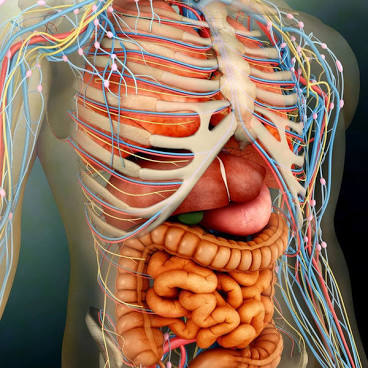
This course offers a comprehensive exploration of the intricate workings of the human body, focusing on the endocrine, cardiovascular, respiratory, lymphatic, urinary, and reproductive systems. Through a combination of lectures, online activities, and interactive discussions, students will gain a deep understanding of the structures, functions, and interrelationships of these vital organ systems. The course will delve into the physiological mechanisms underlying homeostasis, the integration of multiple systems, and the impact of various disorders on human health. Emphasis will be placed on integrating anatomical knowledge with physiological concepts to provide a holistic understanding of the human body.
The purpose of this course is to equip students with a profound understanding of the organ systems and their roles in maintaining overall homeostasis within the human body. By studying the intricate anatomical structures and physiological mechanisms underlying these organ systems, students will develop the knowledge and skills necessary to critically analyze and explain the functions and interrelationships of various organs, tissues, and cells.
In this module, we will delve into the fascinating world of hormones and their impact on the body. We will explore the major endocrine glands, their secretions, and how these hormones regulate various physiological processes. Understanding the endocrine system is crucial for comprehending how the body maintains homeostasis and responds to different internal and external stimuli.
The bloodstream serves as a lifeline, transporting oxygen, nutrients, and immune defenses throughout the body. In this module, we will study the components of blood, its clotting mechanisms, and its pivotal role in maintaining the body's overall health. You will discover how blood cell types work together in harmony to keep us alive and thriving. By the end of the module, you will have a newfound appreciation for the complexity and significance of blood as a life-sustaining force in the human body.
The heart, a remarkable muscular organ, is at the core of the cardiovascular system. We will explore its intricate structure, its chambers, and the blood flow pathways it facilitates. By the end of the module, students will have a solid grasp of the heart's anatomical complexity.
This module offers a comprehensive exploration of the dynamic functioning of the heart, a vital organ responsible for pumping blood throughout the body. We will gain a deep understanding of the heart's physiological processes. The module covers the cardiac conduction system, which coordinates the heart's rhythmic contractions, and the cardiac cycle, involving systole and diastole phases. We will also learn about cardiac output and its regulation, as well as the intricate relationship between the heart, blood vessels, and blood pressure. Additionally, the module explores the heart's responses to exercise, stress, and various physiological conditions. By the end of the module, students will have a comprehensive grasp of the heart's physiology and its critical role in maintaining cardiovascular health and circulation.
This module offers a comprehensive exploration of the intricate network of blood vessels that transport blood throughout the body. We will gain an understanding of the different types of blood vessels and their crucial functions. The module covers the anatomy and physiology of arteries, veins, and capillaries, as well as their roles in oxygen and nutrient delivery, waste removal, and tissue perfusion. We will also learn about blood pressure regulation, the control of blood flow distribution, and the interplay between the vascular system and other physiological processes. Additionally, the module explores common vascular disorders and their implications for overall health. By the end of the module, students will have a solid grasp of the complexity and significance of the blood vessel system in maintaining homeostasis and supporting the body's vital functions.
This module provides a comprehensive exploration of the vital network that complements the cardiovascular system. We will gain an understanding of the lymphatic system's structure and functions. This module covers lymphatic vessels, lymph nodes, and lymphatic organs, as well as their roles in fluid balance, immunity, and waste removal. We will learn about lymph formation, lymph flow, and the critical role of lymphocytes in the body's defense against infections. Additionally, the module explores common lymphatic disorders and their implications for overall health. By the end of the module, students will have a solid grasp of the importance of the lymphatic system in maintaining a healthy internal environment and supporting the body's immune responses.
This module offers a comprehensive exploration of the intricate system responsible for the exchange of oxygen and carbon dioxide in our bodies. We will gain an understanding of the respiratory system's anatomy and physiology. The module covers the respiratory tract's structures, including the nose, pharynx, larynx, trachea, and lungs, as well as their roles in filtering, warming, and humidifying incoming air. By the end of this module, students will be able to explain the different functions each of the respiratory structures play in respiration.
In this module we will explore the physiology of respiration, understanding how the respiratory system adapts to various conditions to maintain gas exchange efficiency. We will also learn about the mechanics of breathing, and the regulation of respiratory processes by the nervous and endocrine systems. Additionally, the module explores respiratory responses to varying conditions, such as exercise and changes in altitude, and common respiratory disorders and their impact on overall health. By the end of the module, students will have a solid grasp of the critical role of the respiratory system in sustaining life and maintaining a stable internal environment.
The digestive system is responsible for processing and absorbing nutrients from the food we eat. This module will cover the anatomy and physiology of the digestive tracts, from the mouth, to the stomach. We will explore the enzymatic breakdown of food in the stomach. By the end of the module, students will have a solid grasp of the essential role of the digestive system in providing energy and nutrients for the body's growth, maintenance, and repair.
This module offers a comprehensive exploration of the vital organs that play a crucial role in the digestive process. We will continue to explore the digestive tract by covering the small and large intestines as we explore the enzymatic breakdown of food in the these compartments, in addition to the intricacies of nutrient absorption and waste elimination. In addition, we will gain an understanding of the liver, pancreas, teeth, and salivary glands and their essential contributions to nutrient breakdown and absorption. The module covers the anatomical structures and functions of these organs, including the liver's role in bile production and detoxification, the pancreas's secretion of digestive enzymes and hormones, and the teeth and salivary glands' crucial roles in mastication and enzymatic digestion. We will also explore the interconnectedness of these organs and their impact on overall digestive health. By the end of the module, students will be equipped with a comprehensive understanding of the digestive accessory organs and their vital role in the efficient breakdown and assimilation of nutrients for overall well-being.
The urinary system plays a vital role in maintaining the body's internal environment by filtering waste products and regulating fluid and electrolyte balance. In this module, we will study the anatomy of the kidneys and the importance of each structure.
In this module, we will study the anatomy of the nephron, which is the functional unit of the kidney. We will explore the process of urine formation, kidney function tests, and disorders related to the urinary system.
The human reproductive system is responsible for the perpetuation of life. In this module, we will examine the male reproductive anatomy and physiology. We will delve into the processes of spermatogenesis, and hormonal regulation. Additionally, we will discuss the importance of reproductive health and fertility.
This module provides a comprehensive exploration of the unique anatomy and physiology that contribute to female reproductive health and the process of reproduction. We will gain an understanding of key topics such as the menstrual cycle, reproductive hormones, and female reproductive health. The module covers essential aspects of fertility, pregnancy, childbirth, and postpartum considerations. Additionally, it delves into reproductive aging and menopause, as well as the advancements in assisted reproductive techniques. By the end of the module, students will have a newfound appreciation for the complexity and wonders of the female body and its role in perpetuating life.

0 COMMENTS
No comment found